Growing Up in an Immigrant Home: The Hidden Balancing Act

Being raised in an immigrant home often means living between two worlds. Inside, the walls hold languages, values, and expectations carried across oceans. Outside, there’s a different set of rules—ones you’re expected to learn fast if you want to belong. Many of us grow up fluent in both, but never fully at ease in either.
A phrase that echoes in many immigrant households is, “This is not why we came here.” It’s said with love, frustration, or both—a reminder of sacrifice, of the dream that brought families across borders. Yet, for children who grow up here, it can feel like a heavy weight: a constant pressure to justify your parents’ journey by achieving, behaving, and never disappointing.
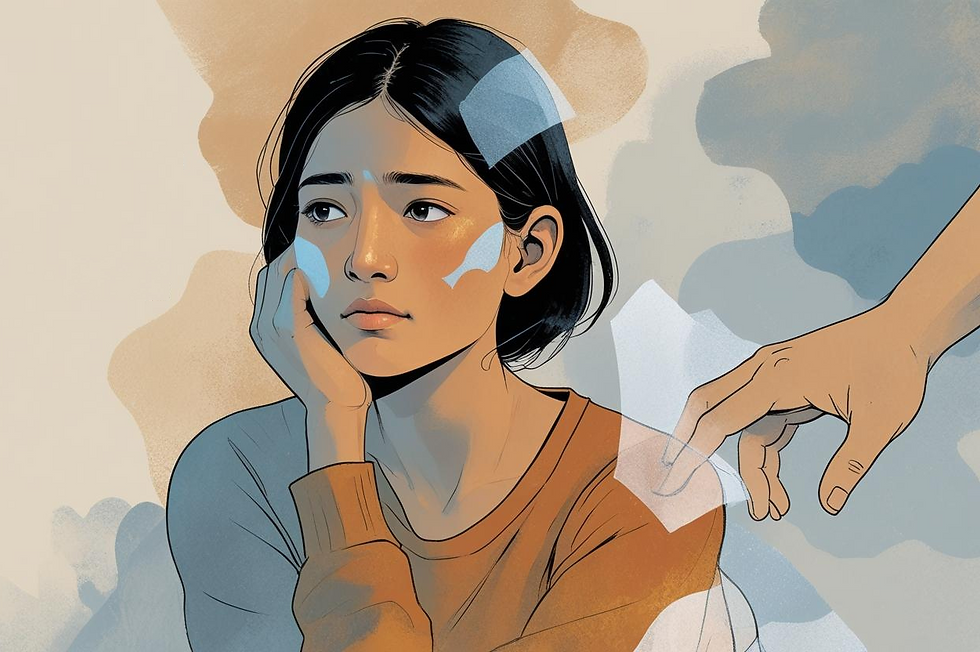
This balancing act often affects mental health in subtle ways. Perfectionism, guilt, and identity confusion are common companions. Many learn to silence their own struggles because vulnerability doesn’t always fit into the survival mindset that guided their parents. The result can be anxiety, burnout, and a loss of self-connection.
Forming relationships outside the home can also feel complicated. How do you explain family expectations that your peers might find unusual? How do you live authentically when part of you feels split between duty and autonomy, heritage and individuality? The tension between belonging and loyalty can make even everyday choices—like friendships, careers, or dating—deeply layered.
Yet there’s resilience in this experience. Those raised in immigrant homes often develop empathy, adaptability, and a rich sense of identity that blends cultures rather than choosing one. Healing begins when we learn to hold both—the culture that made us, and the self we’re still becoming—with compassion instead of conflict.



Comments